


Sustainability has become a crucial part of nearly every industry, and manufacturing is no exception.
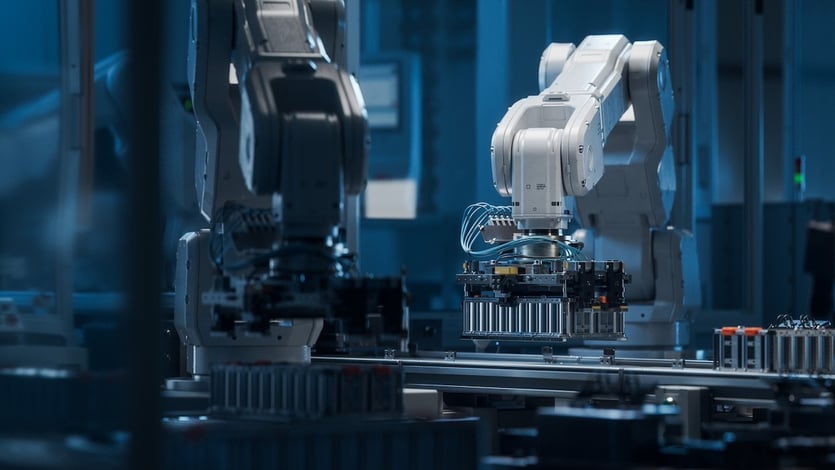
Few industries are growing as rapidly as electric vehicle (EV) production. This urgency is pushing manufacturers to constantly seek innovative solutions to enhance efficiency, precision, and reliability while integrating advanced manufacturing techniques.
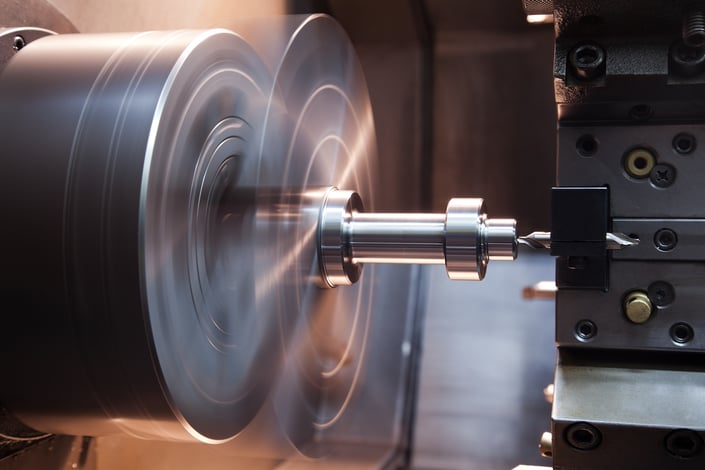
CNC machining (computer numerical control machining), is precision machining that's fully automated, ensuring exceptional accuracy and remarkable precision. CNC machining achieves levels of complexity beyond conventional precision machining, plus it’s cost-efficient, particularly for complex components and parts.
We’ve raved for years about the capabilities of CNC (computer numerical control) machines. And with good reason!
CNC machined parts repeatedly meet exact specifications and achieve extremely tight tolerances in large quantities. Transforming materials into finished, usable parts is valued throughout numerous industries across the world. Exactly how that happens may seem like a mystery, so this article is dedicated to sharing 4 types of CNC machines: how they operate, what materials they handle, examples of each, and more.
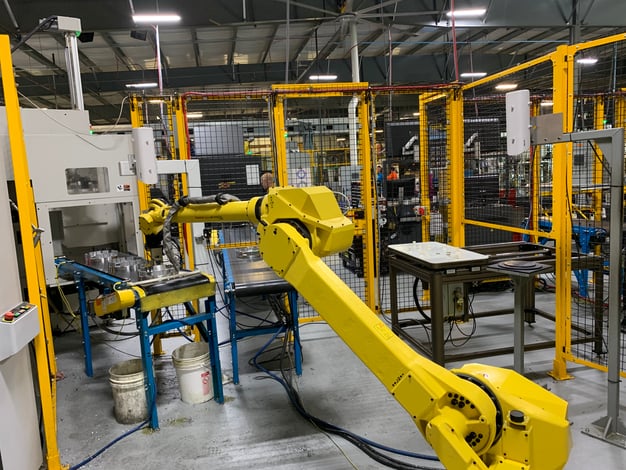
AI in CNC machining — that is, using artificial intelligence within the CNC machining process — feels natural, doesn’t it?
CNC machines by definition are computer numerically controlled, allowing for rapid production of incredibly precise parts, with their impact being felt throughout so many industries.
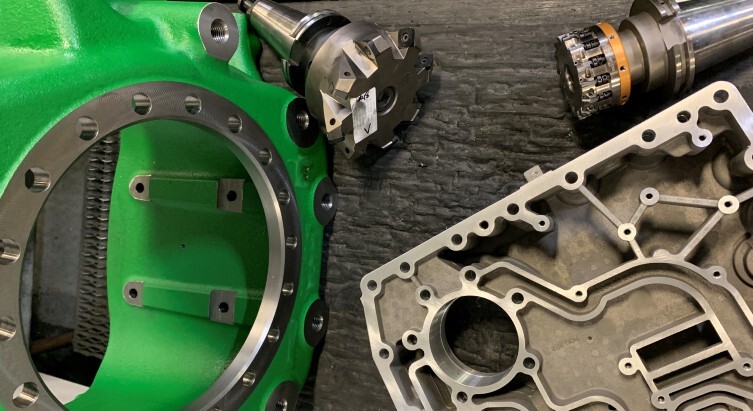
What do you need from CNC tooling?
- Precision (of course) — The ultimate measuring stick of every CNC machining project, precision requires more than just the right capabilities
- Reliable rigidity — A tool must maintain its shape, remain stable, and resist flexing or vibrating during cutting operations
- Solid durability — Getting long lifetime value out of a tool is a cost-control measure that affects the bottom line, making durability an important Key Performance Indicator
- Easy installation/adjustment — Being able to easily change out and adjust tooling isn’t just efficient, it makes life better for the CNC operator
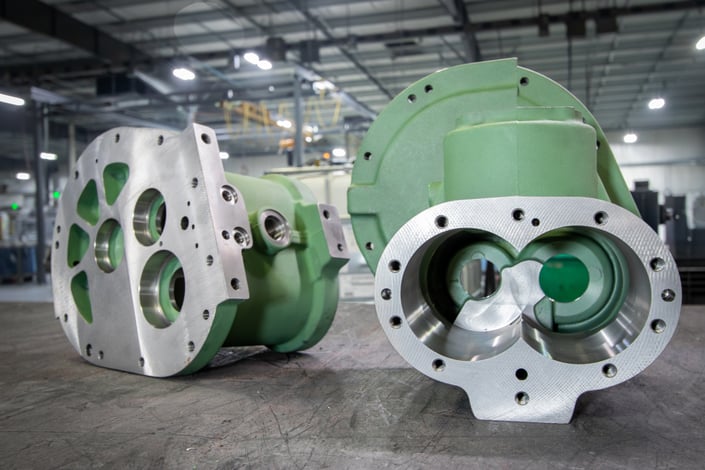
Solid client-vendor relationships are vital to any company’s success. So much is on the line: quality, customer service, efficiencies, low costs, supply chain integration, future growth, and much more.
A poor relationship invites miscommunication, contentiousness, quality issues, and missed deadlines. In fact, organizations should nurture vendor relationships similarly to how they focus on customer loyalty.
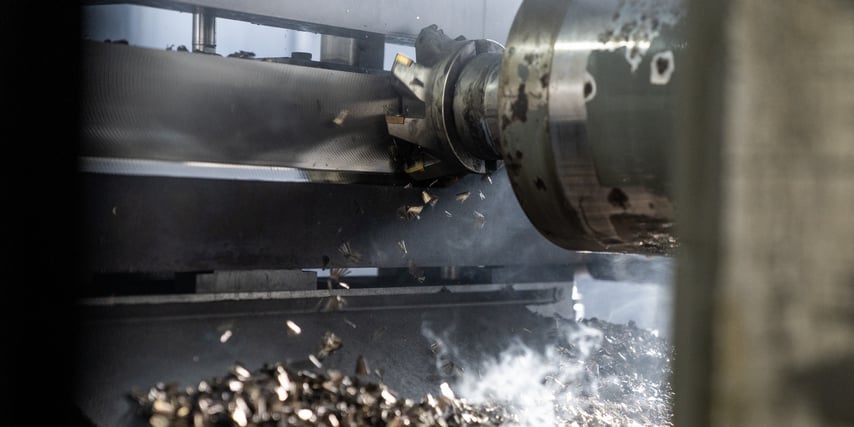
Each CNC machine shop must have similar capabilities to other shops, right? Not at all! They do vary in their skill levels and abilities to take on complex parts. That extreme precision demands the accuracy of CNC machine tools, along with experienced operators.
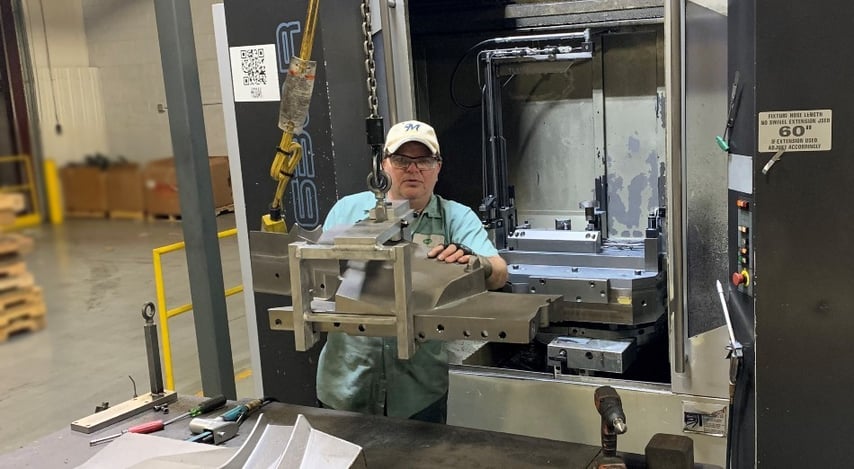
Every CNC machine shop is different. No surprise, right? Yet, what telltale signs distinguish one from another? Here’s a pro tip …
Study how they approach new work — from acquiring it to delivering it — throughout the organization.
Some CNC machine shops are content with machining what they know and handling familiar project types and quantities. Their work is solid, and they’ve built a fine, safe business.
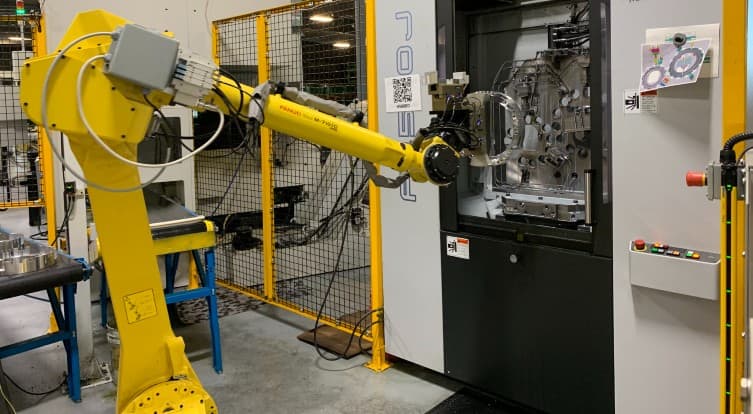
At some point, we all need some help with the heavy lifting.
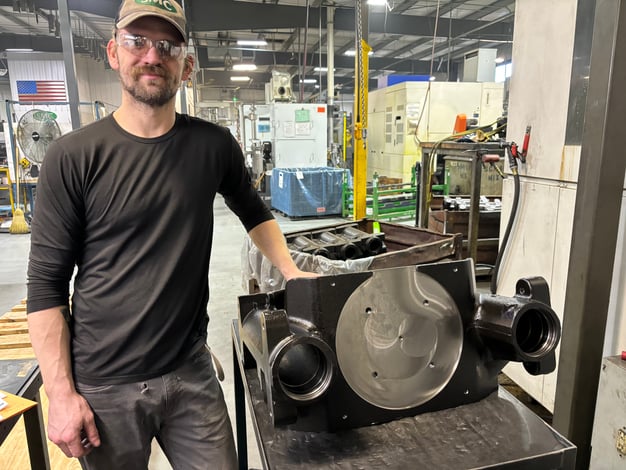
For CNC machine shops, that can mean robots to lift, position, and pack metal castings, some weighing hundreds of pounds. It also means less physical and mental stress on employees, the most valued asset of any machine shop.
Working alongside a robot can improve operator productivity by taking on repetitive, physically demanding work. CNC robotics increase speed, enhance efficiency, and drive repeatability, which leads to better quality.