
Overview
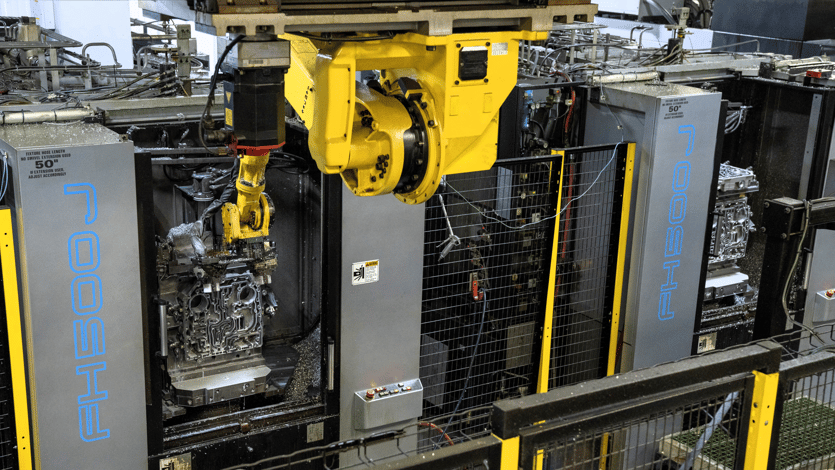
Automation in CNC machining isn't just a shop-floor efficiency story; it's a supply chain story. For OEM purchasing and sourcing professionals, a supplier's automation investments directly influence lead time predictability, part-to-part quality consistency, and cost stability over the life of a program. This post breaks down what automation actually changes for you as a buyer, and what to validate when a machine shop touts its automation capabilities.
The question isn't whether your CNC machining suppliers are automating — most are, to some degree. The more useful question is: what does their automation actually change for your supply chain?
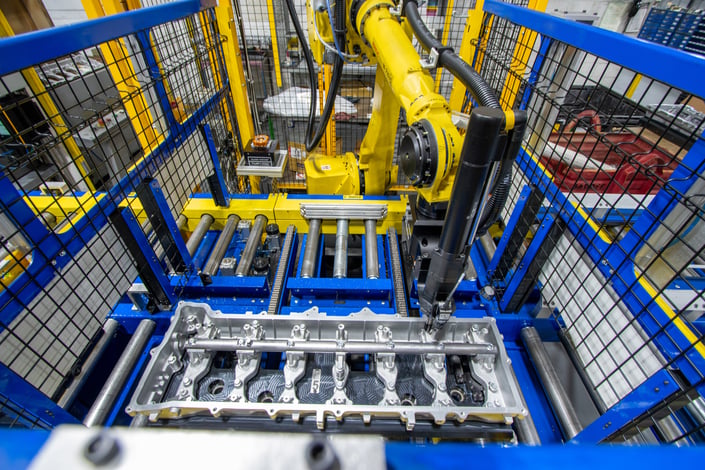
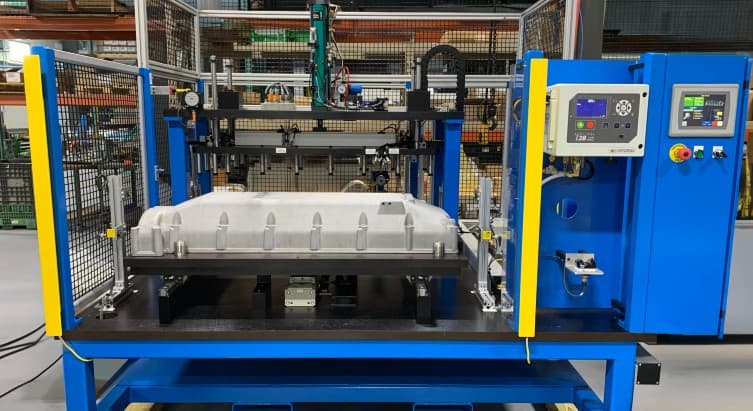
Automation investments vary widely in scope, maturity, and impact. A shop that has automated machine tending operates differently than one that has extended automation to washing, inspection, and material handling. Understanding the difference, and knowing what to ask, puts you in a better position to evaluate suppliers, manage risks, and make sourcing decisions you won't have to revisit in short order.
Here's what automation and robotics actually change, and how to evaluate whether a supplier's capabilities are real.